Bexley Council rules for cemetery flowers Crayford explained
Posted on 31/10/2026
If you are placing flowers at a cemetery in Crayford, the last thing you want is a quiet tribute being removed because it does not fit the local rules. That is exactly why Bexley Council rules for cemetery flowers Crayford explained matters: it helps you choose the right flowers, place them properly, and avoid upsetting moments later. Truth be told, most people only find out about cemetery flower rules when they are already standing by a grave, holding a bouquet and wondering, "Is this allowed?"
This guide breaks everything down in plain English. You will learn what the rules usually mean in practice, why they exist, how to stay respectful, and what to do if you are arranging flowers for a memorial, anniversary, funeral, or regular grave visit. We will also look at sensible flower choices, practical checklist steps, and common mistakes people make without meaning to. It is a local topic, but the advice is useful whether you are visiting once a year or every weekend.
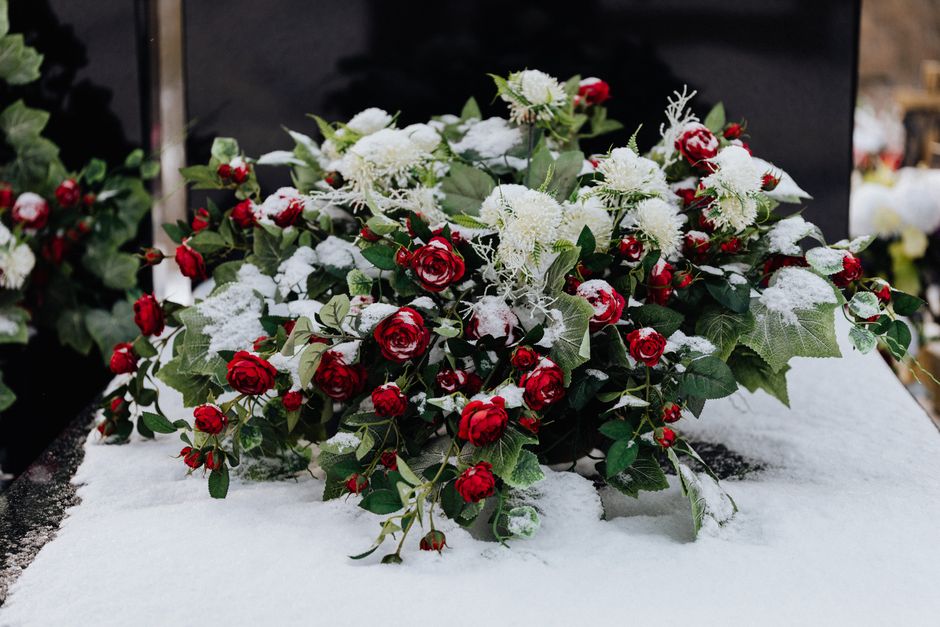
Why Bexley Council rules for cemetery flowers Crayford explained Matters
Cemetery flower rules are not there to make life awkward. They exist to keep graves tidy, safe, and fair for everyone using the site. In a shared memorial space, one person's generous arrangement can quickly become another visitor's obstruction if it spreads into walkways, blocks maintenance access, or attracts weather damage.
In Crayford, where families often want to visit on birthdays, anniversaries, and remembrance dates, the rules matter because they protect both the dignity of the cemetery and the peace of mind of the people coming to pay respects. A small vase of fresh flowers may be perfectly fine, while a large display, loose tributes, or plastic wraps left in place too long may not be. That is the practical side of it.
There is also an emotional side. When you are grieving, the last thing you need is uncertainty. Knowing the normal expectations around flowers means you can focus on the person you are remembering, not on whether a cemetery attendant might remove the arrangement by lunchtime. And yes, that little worry can stick in the back of your mind.
Key point: cemetery flower rules are usually about respect, safety, access, and maintenance-not about limiting remembrance. The aim is to keep the site orderly while still allowing families to honour loved ones in a personal way.
It is also worth saying that local cemetery practices can differ slightly from one burial ground to another, even within the same borough. So while the broad principles are familiar, the exact expectations may vary depending on the cemetery section, grave type, and any memorial restrictions already in place.
How Bexley Council rules for cemetery flowers Crayford explained Works
At a practical level, cemetery flower rules work like a set of shared boundaries. You are usually allowed to leave floral tributes, but the tribute has to fit within the cemetery's layout and management approach. That normally means keeping flowers neat, not overfilling the grave space, and removing items that have become damaged or unsafe.
Most cemetery management teams will look at a few common factors:
- Placement: flowers should sit where they do not block access or interfere with mowing and groundskeeping.
- Size: very large arrangements may be discouraged if they spread beyond the grave plot.
- Material: fresh flowers, simple vases, and tidy tributes are usually more acceptable than cluttered or weather-sensitive items.
- Condition: wilted flowers, broken containers, and faded plastic arrangements may need removing.
- Timing: some cemeteries allow flowers for a limited period after a burial or memorial date before items are cleared.
For many families, the unwritten rule is simple: keep it respectful, tidy, and manageable. A modest bouquet, a wreath, or a small tribute can say everything that needs saying. You do not need to create a floral showpiece. To be fair, the quietest gestures are often the most touching anyway.
Another thing people sometimes forget is maintenance access. Cemetery teams need to maintain grass, edges, pathways, and shared areas. If flowers are placed in a way that complicates this work, they may be moved. That is not personal; it is part of making the whole site look cared for.
If you are ordering flowers for a grave visit in Crayford, it helps to think about how long the tribute will last outdoors. Wind, rain, and cold mornings can change the look of a bouquet very quickly. On a damp autumn day, even a pretty arrangement can start to droop by the afternoon. That is normal. You just want to choose something appropriate for the setting.
Key Benefits and Practical Advantages
Following the local cemetery rules brings a few real benefits, and they are not just administrative. For families, the biggest advantage is certainty. You know your tribute is unlikely to be removed or repositioned, which means one less thing to worry about during an already emotional visit.
There are practical benefits too:
- Less stress: you can focus on remembrance rather than rule-checking on the spot.
- Better presentation: a simple, well-chosen arrangement often looks more elegant than an oversized one.
- Longer-lasting tributes: flowers chosen with cemetery conditions in mind tend to stay fresh for longer.
- Cleaner grave areas: avoiding excess packaging and clutter helps keep the plot neat.
- Fewer misunderstandings: when the tribute is clearly appropriate, there is less risk of confusion with cemetery staff.
There is also a social benefit. Cemeteries are shared places. One carefully placed bouquet makes the space feel calm and well cared for, while too many loose items can make the area feel chaotic. That may sound small, but anyone who has walked through a cemetery after a windy spell knows exactly what this looks like. Bits of ribbon, crushed cellophane, bent stems-little details, but they matter.
For businesses or florists helping local families, understanding these rules also builds trust. It shows you are not just selling flowers, but helping someone choose a tribute that genuinely works in a cemetery setting. That kind of guidance makes a difference.
Who This Is For and When It Makes Sense
This guidance is useful for a wide range of people, not just those arranging a first grave tribute. You may need it if you are:
- visiting a family grave in Crayford for the first time
- arranging flowers for a funeral or burial in the local area
- placing anniversary, birthday, or remembrance flowers
- helping elderly relatives with cemetery visits
- ordering a bouquet for a graveside tribute from a florist
- checking whether a display is suitable before taking it to the cemetery
It makes sense to think about the rules before you buy the flowers, not after. That sounds obvious, but plenty of people do the reverse. They choose something beautiful, perhaps with ribbons, a basket, or a decorative box, then discover the cemetery prefers something simpler. A quick bit of planning saves money and disappointment.
If the tribute is for a specific religious or cultural occasion, the details matter even more. Some families prefer certain colours, flower types, or symbolic shapes. In those cases, the challenge is not just choosing something beautiful, but making sure it is appropriate for the cemetery as well as the tradition behind it.
And if the grave is in a busy section, with tight spacing between memorials, the practical side becomes even more important. What looks fine in a florist shop may be too broad once it is placed beside the headstone. That is one of those things you only really notice once you are standing there in the real world.
Step-by-Step Guidance
Here is a simple way to approach cemetery flowers in Crayford without second-guessing yourself.
- Check the cemetery expectations first. If you are unsure, look for guidance from the cemetery manager or from the person arranging the burial plot. Even a brief conversation can prevent trouble later.
- Choose a tribute that suits the grave space. Smaller arrangements, compact bouquets, and simple wreaths are often easier to manage than oversized displays.
- Think about weather and durability. Fresh flowers are lovely, but they may need care or replacement sooner than hardier styles. In winter, cold wind can be unforgiving.
- Avoid clutter. Too many extras-cards, plastic, toys, loose ribbons, and bags-can look messy and may be removed.
- Use a stable container if needed. A proper vase or secure container can help keep flowers upright and tidy.
- Place the tribute neatly. Keep it within the allocated space and away from walkways or neighbouring graves.
- Return to refresh or remove items when needed. Wilted or damaged flowers should be taken away rather than left to become untidy.
A useful habit is to stand back for a moment after placing the flowers. Does the tribute look balanced? Can someone walk past safely? Would you still be happy with it after a rainy night? That tiny pause often tells you everything you need to know.
If you are ordering from a florist, make the cemetery setting clear. A good florist can often steer you toward a suitable size, style, and flower mix. A bunch that works beautifully for a home table might be the wrong shape for a graveside plot, and vice versa.
Expert Tips for Better Results
In our experience, the most successful cemetery tributes are the ones that look thoughtful, not forced. The goal is not maximum size. It is meaning, clarity, and good fit.
Here are a few tips that help in real life:
- Pick flowers with structure. Chrysanthemums, carnations, lilies, and roses are often used in remembrance arrangements because they hold shape well and feel dignified.
- Keep colours intentional. White, cream, soft pink, purple, and gentle mixed shades usually work well for memorials. Bright colours can be beautiful too, but they should feel deliberate rather than random.
- Use fewer decorative extras. A clean arrangement often reads better than one overloaded with frills.
- Choose what suits the season. A lighter mix may feel right in spring and summer, while deeper tones can feel fitting in autumn. Not a rule as such, just common sense.
- Check the fit before travel. If you are bringing flowers by car or public transport, think about how the arrangement will sit during the journey.
One small but useful trick: if you are visiting early in the morning, the tribute may look fresh and firm, but by late afternoon it can start to soften in the sun. So if the flowers need to last all day, choose something robust. There is nothing glamorous about a drooping bouquet at 3 p.m. on a humid day.
Another tip is to keep a spare card or note in your bag rather than placing too many bits directly on the grave. That way the tribute stays tidy, but the message still feels personal.
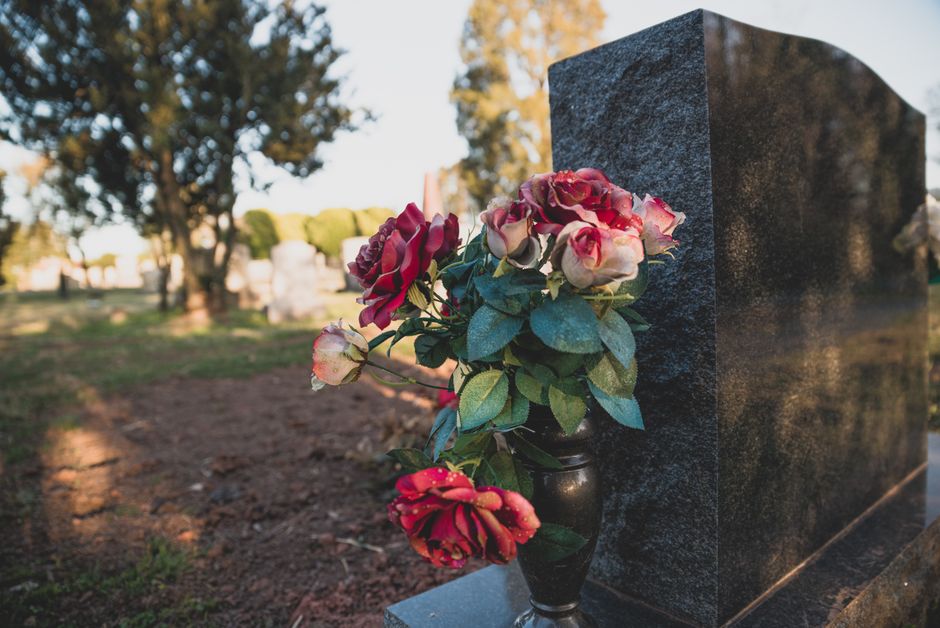
Common Mistakes to Avoid
Most mistakes come from good intentions, which is worth remembering. People are trying to show love. The trouble is that love and practicality do not always arrive in the same package.
- Choosing a tribute that is too large. It may look beautiful at the florist, but overwhelm the grave space.
- Leaving plastic wrappers in place. These can look untidy and are often not suited to outdoor memorial spaces.
- Using unstable containers. A light vase or flimsy pot can topple in wind or on uneven ground.
- Forgetting about maintenance access. Flowers in the wrong place may be moved or removed during groundskeeping.
- Leaving dead flowers too long. A faded tribute can quickly look neglected, even when it was placed with care.
- Assuming all cemeteries follow exactly the same rules. They often do not.
A common one is assuming a family member's old arrangement style will still be accepted years later. Cemeteries change. Management practices change. Even the layout of a grave section can evolve over time. So what worked once may not work now. Bit annoying, yes, but that is life.
Another mistake is not talking to relatives before ordering. If several people visit the grave, they may have different expectations. A short family chat can prevent awkwardness, especially around anniversaries and memorial dates.
Tools, Resources and Recommendations
You do not need a complicated toolkit to manage cemetery flowers well. A few simple things are usually enough:
- Flower scissors or small shears for trimming stems neatly
- A clean, stable vase or container suited to outdoor placement
- Water source if the cemetery allows you to refresh the flowers on site
- Soft cloth or tissue for cleaning the container before placement
- A small note card if you want to include a personal message
If you are ordering flowers locally, a florist with experience in sympathy and tribute work can save time and guesswork. For example, some families prefer a simple wreath, a posy, or a neat tribute design rather than a large hand-tied bouquet. A florist can help steer that choice based on the grave space and the occasion. You may also want to look at suitable remembrance styles such as sympathy flowers, funeral flowers, or more compact arrangements from the tributes range when the cemetery setting calls for something respectful and restrained.
If you are nearby and need something ready in good time, local ordering can be easier than leaving it to chance. A service like flower delivery in Crayford or same-day flower delivery in Crayford can be helpful when a memorial date has crept up on you. We have all done the "oh no, that is today" scramble. No judgement.
For longer-lasting remembrance at home, some people also keep a second arrangement or seasonal flowers for the house. That is not part of the cemetery rule itself, of course, but it can help families balance a grave tribute with a more personal space indoors.
Law, Compliance, Standards, or Best Practice
It is safest to treat cemetery flower guidance as a mixture of local site rules, practical cemetery management, and respectful best practice. There is not usually a single universal rule that applies to every burial ground in exactly the same way, so the sensible approach is to follow the specific instructions for the site you are visiting.
In general, good practice in UK cemeteries usually means:
- keeping grave spaces tidy and accessible
- not placing items that obstruct maintenance or neighbouring plots
- removing decayed or damaged tributes promptly
- using respectful, stable, and manageable floral arrangements
- following any memorial restrictions attached to the grave or cemetery section
Where there are religious, cultural, or family traditions involved, those can be very important, but they still need to sit comfortably within the cemetery's operational rules. If anything is unclear, ask before placing the tribute. That simple step often avoids the awkward moment when someone has to come back and move it later.
For florists, the best practice is straightforward too: make sure customers understand the intended setting, suggest suitable sizes, and avoid over-promising that any design will suit every grave. A little honesty goes a long way here.
Options, Methods, or Comparison Table
Different tribute styles can work better or worse depending on the cemetery space and the occasion. Here is a simple comparison to help you decide.
| Tribute style | Best for | Pros | Things to watch |
|---|---|---|---|
| Small bouquet | Quick visits, simple memorials | Neat, easy to place, low risk of clutter | May need a stable vase or support |
| Wreath | Funeral tributes, anniversaries, memorial dates | Traditional, dignified, clearly visible | Can be bulky if too large for the plot |
| Posy or basket | Smaller graves, ongoing remembrance | Tidy, compact, easy to manage | Needs good placement to avoid toppling |
| Spray arrangement | Formal memorial use | Elegant and structured | May be too wide for some spaces |
| Loose flowers | Very informal personal visits | Simple and heartfelt | Can look untidy in wind or rain if not arranged carefully |
If you are unsure which option fits best, a compact arrangement is usually the safest starting point. It is easier to adjust something small than to rescue something oversized after the fact.
Case Study or Real-World Example
Here is a very typical situation. A family in Crayford wanted to place flowers on a relative's grave for a birthday remembrance. They chose a full, colourful bouquet with extra ribbon and a decorative wrap because it looked lovely in the shop. On arrival, though, the grave plot was fairly narrow and set close to a path. The bouquet was beautiful, no doubt about it, but it sat awkwardly and seemed to spill beyond the space.
Instead of leaving it as it was, they trimmed the stems, removed the outer packaging, and repositioned the flowers in a smaller container from home. The result was much better: neat, stable, and far more in keeping with the cemetery setting. It still felt personal. Actually, it felt more personal, because the arrangement looked deliberate rather than oversized.
That is the real lesson. Often, the best tribute is not the grandest one. It is the one that fits the space, honours the person, and can be maintained with dignity over time. A little adjustment made all the difference.
This kind of practical thinking is also why some families prefer ordering from a florist who understands sympathy work. When the flowers are chosen with cemetery conditions in mind, there is less stress on the day and fewer surprises later.
Practical Checklist
Use this quick checklist before placing cemetery flowers in Crayford:
- Have you checked the cemetery's current flower expectations?
- Does the arrangement fit the grave space neatly?
- Are the flowers suitable for outdoor weather?
- Is the container stable and tidy?
- Have you avoided unnecessary packaging and clutter?
- Will the tribute still look respectful if it is there for several days?
- Have you thought about maintenance access and neighbouring graves?
- Do family members agree on the style, if it is a shared grave?
- Have you got a plan to refresh or remove wilted flowers later?
If you can tick most of those off, you are probably in good shape. Not perfect maybe, but good enough-and in a cemetery setting, good enough done neatly is often exactly right.
Get a free quote today and see how much you can save.
Conclusion
Understanding Bexley Council rules for cemetery flowers Crayford explained is really about making remembrance easier, not harder. Once you know the basics-keep it tidy, keep it appropriate, and keep it respectful-you can choose flowers with confidence and avoid unnecessary stress on the day.
For most people, the right tribute will be simple, stable, and thoughtful. That might be a small bouquet, a wreath, or a carefully chosen sympathy arrangement. Whatever you choose, the important thing is that it feels genuine and fits the setting. That is what people notice, even if they never say it out loud.
And if you are still unsure, take a breath and keep it simple. Simple is often best. It's funny how often that turns out to be true.
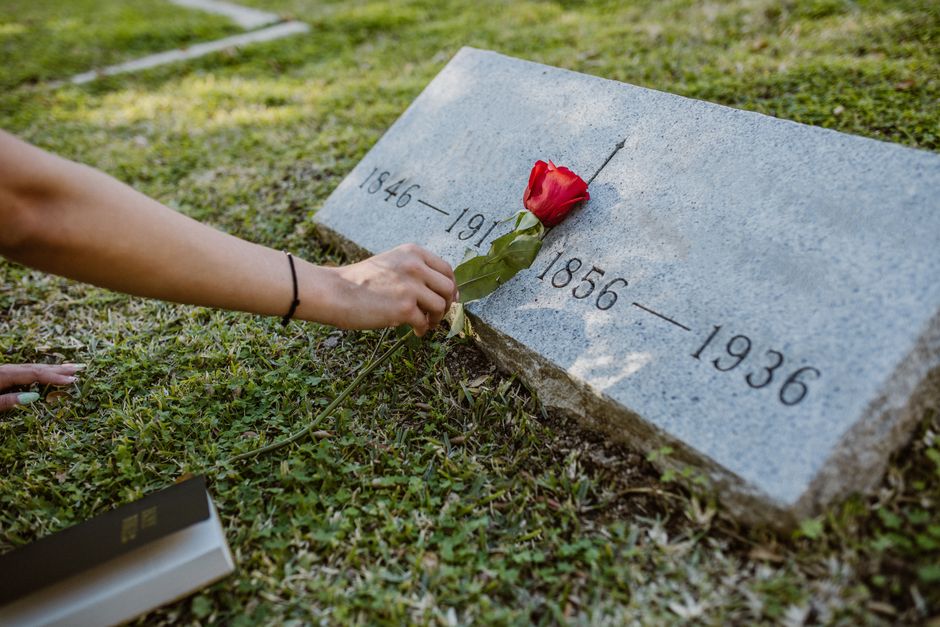
Frequently Asked Questions
What are the main Bexley Council rules for cemetery flowers in Crayford?
The main idea is usually to keep floral tributes neat, safe, and within the grave space so they do not obstruct access or cemetery maintenance. Exact expectations can vary by cemetery section.
Can I leave fresh flowers on a grave in Crayford?
In most cases, yes, fresh flowers are commonly accepted. The key is to place them respectfully and make sure the arrangement is tidy and suitable for the site.
Are plastic flowers allowed in cemetery plots?
That depends on the cemetery's own rules and the condition of the tribute. Some places are more tolerant than others, but damaged or untidy artificial flowers may be removed.
How long can flowers stay on a grave?
There is no single universal timeframe. Flowers should normally be removed or refreshed once they fade, wilt, or become untidy. Some cemeteries may have their own cleaning or clearance schedule.
Do I need permission before putting flowers on a grave?
For a standard visit, permission is often not needed, but it is wise to check the cemetery's guidance if you are planning a larger arrangement, a memorial display, or anything unusual.
What flowers are best for cemetery tributes?
Chrysanthemums, carnations, lilies, and roses are commonly chosen because they look dignified and tend to hold up reasonably well. The best choice still depends on the season and the message you want to convey.
Can a florist help me choose the right size arrangement?
Yes, and that is often the easiest way to avoid mistakes. A florist experienced with sympathy and memorial flowers can suggest something suitable for a grave setting rather than a home display.
What should I avoid putting on a grave with flowers?
Avoid cluttering the plot with too many extras, loose packaging, unstable containers, or anything that might blow away or obstruct the area. Keep it calm and clean.
Are there different rules for funerals and regular cemetery visits?
There can be. Funeral tributes often involve larger or more formal arrangements, while later grave visits may call for smaller, simpler flowers. The cemetery may also treat them differently in practice.
What if I see flowers removed from a grave?
That can happen if they are damaged, blocking access, or no longer fit the site's maintenance rules. If you are unsure why it happened, contact the cemetery manager for clarification.
Is it better to use a basket, wreath, or bouquet?
It depends on the grave space and the occasion. Bouquets and baskets are often easier to manage for smaller plots, while wreaths can feel more formal for memorial dates or funeral use.
Can I order cemetery flowers for delivery in Crayford?
Yes, local flower delivery can be very helpful if you want the flowers ready for a memorial visit or a specific date. Services such as flower delivery in Crayford and next-day flower delivery in Crayford can make planning easier when time is tight.


